MYACT Acoustic Wave Therapy in Northville, MI: What It Treats and How It Works
This post is for educational purposes only and does not constitute medical advice. All treatment decisions should be made in consultation with a licensed healthcare provider who can evaluate your specific condition.
Acoustic wave therapy has been used in sports medicine and orthopedic rehabilitation for more than two decades. MYACT — a form of focused acoustic wave therapy — delivers that same technology in a compact, office-based platform suited for chiropractic and integrated wellness settings. At Get Well Chiropractic in Northville, we now offer MYACT as part of our non-surgical approach to chronic musculoskeletal pain that hasn't resolved with adjustments, rest, or conventional physical therapy alone.
What Acoustic Wave Therapy Does at the Tissue Level
MYACT delivers high-frequency mechanical pressure waves into targeted soft tissue through a handheld applicator. The waves transmit energy at the cellular level, producing several documented biological responses:
- Neovascularization: Acoustic waves stimulate the formation of new capillaries in poorly vascularized tissue — a key mechanism in tendon healing, since tendons have limited blood supply and chronic tendinopathies often stall because the tissue isn't receiving adequate nutrients or clearing metabolic waste.
- Collagen synthesis: The mechanical stimulus promotes fibroblast activity and new collagen production, which is essential for rebuilding tendon and ligament integrity in chronic degeneration.
- Calcification breakdown: Focused acoustic waves can disperse calcific deposits in tendons (most commonly in the rotator cuff and Achilles) that cause pain and restrict movement.
- Substance P reduction: Acoustic therapy has been shown to reduce local concentrations of substance P, a neuropeptide associated with pain signal transmission — producing a pain-modulating effect alongside the structural healing mechanisms.
Conditions MYACT Addresses
Acoustic wave therapy has the strongest clinical evidence base for chronic tendinopathy conditions — specifically cases that have persisted beyond the typical acute healing window (6–12 weeks) despite conservative management. Conditions we use MYACT to address at Get Well Chiropractic include:
- Plantar fasciitis — particularly chronic cases lasting more than 3 months that haven't resolved with stretching, orthotics, or cortisone injections
- Achilles tendinopathy — both insertional (at the heel) and mid-portion (2–6 cm above the insertion)
- Patellar tendinopathy (jumper's knee) — chronic anterior knee pain below the kneecap common in athletes and active adults
- Rotator cuff tendinopathy and calcific tendinitis — shoulder pain with or without calcific deposits visible on imaging
- Tennis elbow (lateral epicondylitis) and golfer's elbow (medial epicondylitis) — chronic forearm tendon pain at the elbow
- Hip flexor and gluteal tendinopathy — chronic pain at the hip or pelvis related to tendon degeneration
- Trigger points and myofascial pain — focal areas of muscle hypertonicity that refer pain and haven't responded to manual therapy alone
What the Research Shows
A systematic review and meta-analysis published in the British Journal of Sports Medicine found that extracorporeal shockwave therapy (the category MYACT falls within) produced clinically significant pain reduction and functional improvement in patients with chronic plantar fasciitis compared to placebo, with effects persisting at 12-month follow-up. Success rates for chronic insertional plantar fasciitis specifically ranged from 65 to 91% across controlled trials.
For calcific shoulder tendinitis, a randomized controlled trial published in the Journal of the American Medical Association found that patients treated with focused shockwave therapy showed significant reduction in calcification size and pain compared to placebo at 6 months, with 86% of the treated group reporting improvement vs. 48% of controls.
Who Is a Strong Candidate for MYACT
MYACT is most appropriate for patients who meet several criteria:
- Chronic tendinopathy or myofascial pain lasting at least 6 to 12 weeks
- Failed to achieve adequate relief through rest, stretching, ice/heat, NSAIDs, or cortisone injections
- No contraindications (see below)
- Motivated to complete a full treatment course — most protocols involve 3 to 5 sessions spaced 1 week apart
MYACT is not appropriate for patients with open wounds over the treatment site, active infection, blood clotting disorders, or those who are pregnant. Patients with pacemakers or metal implants in the treatment area require case-by-case evaluation. We discuss all contraindications during your initial consultation.
What a MYACT Session Looks Like at Get Well Chiropractic
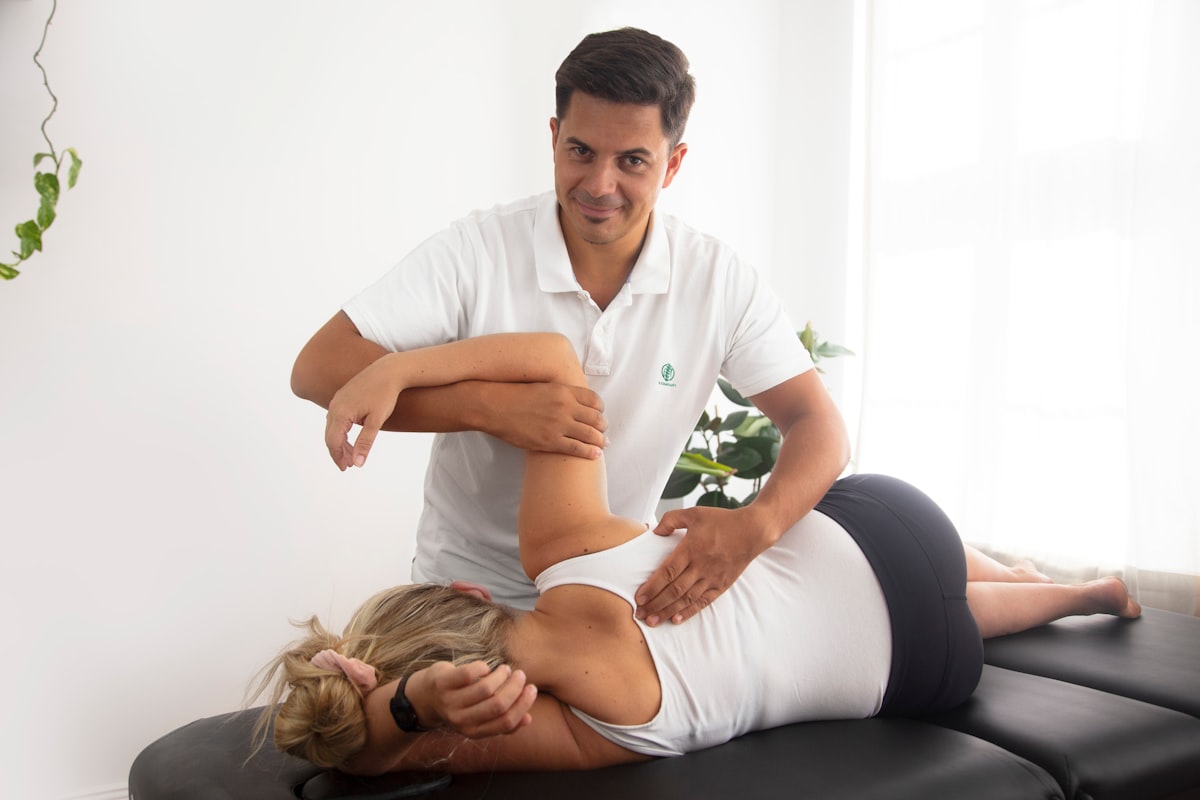
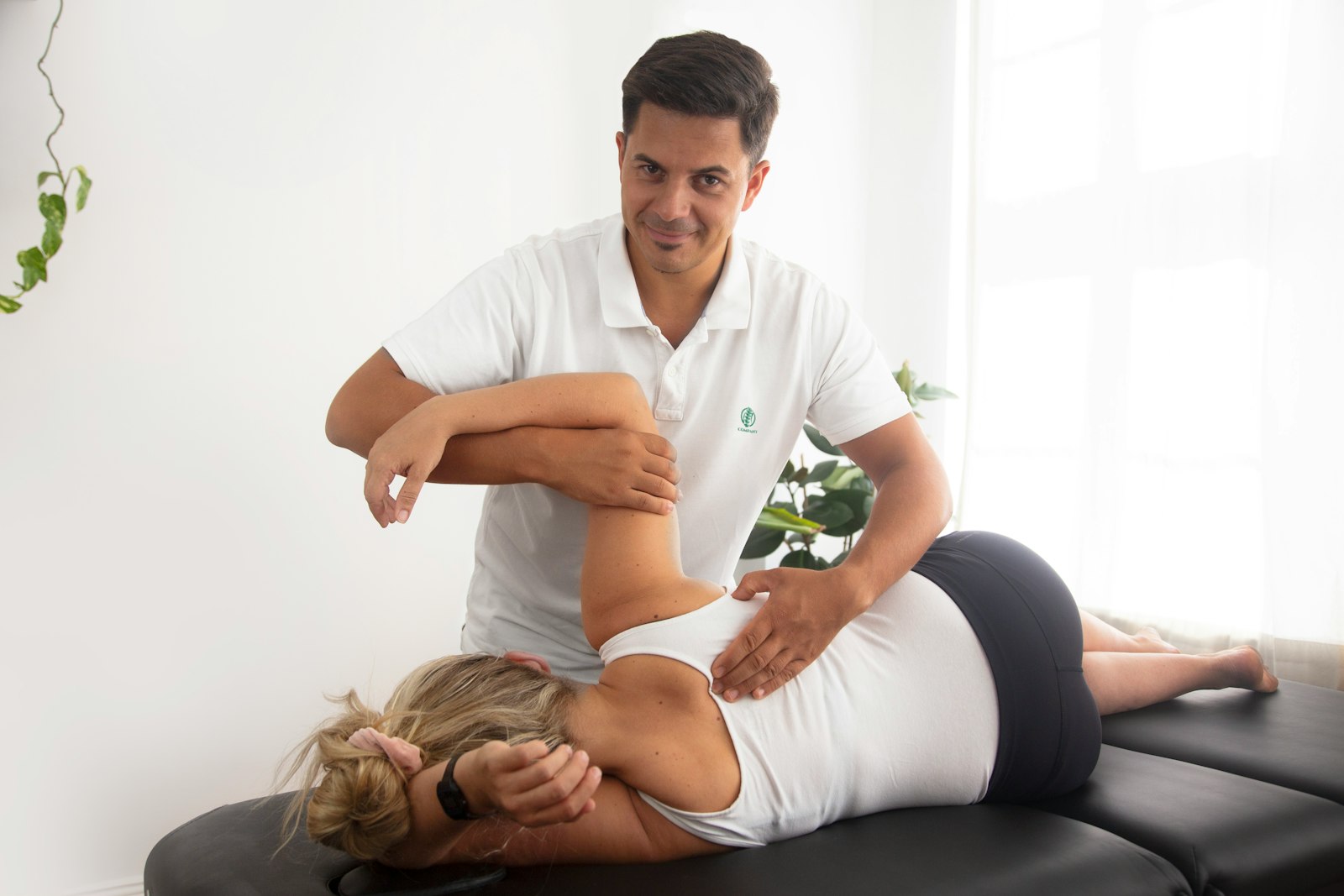
Sessions typically run 20 to 30 minutes. The applicator is moved across the treatment area using a continuous technique — most patients describe the sensation as a repetitive tapping or pressure, occasionally accompanied by brief sharp sensations when the wave passes through areas of high tension or calcification. This is normal and expected; it often correlates directly with the involved tissue.
Post-treatment soreness lasting 24 to 48 hours is common and is generally a sign that the tissue responded to treatment. We advise patients to avoid anti-inflammatory medications (ibuprofen, naproxen) for 48 hours after sessions, as the inflammatory response stimulated by the waves is part of the healing mechanism — suppressing it pharmacologically may reduce the treatment's effect.
Most patients complete 3 to 5 sessions. Some acute responders notice meaningful pain reduction after the second session; others see the full benefit emerge over 4 to 8 weeks as the tissue remodels. We integrate MYACT with chiropractic care, rehabilitative exercise instruction, and soft tissue work as appropriate for each patient's presentation.
MYACT as Part of an Integrated Northville Chiropractic Approach
Dr. Joern Iber, a pioneer in clinical shockwave therapy applications in musculoskeletal medicine, has noted in his published training materials that the best outcomes with acoustic wave therapy come from combining it with rehabilitative loading — not using it as a standalone passive treatment. At Get Well Chiropractic, MYACT is integrated with active care: adjustments, prescribed home exercises, and in many cases our other therapeutic modalities including cold laser therapy and PEMF, creating a multi-modal environment that addresses both the symptom and the underlying tissue problem.
If you're in Northville, Novi, Plymouth, or Livonia and dealing with a chronic tendon or muscle condition that hasn't responded to what you've already tried, MYACT may be worth evaluating. Contact Get Well Chiropractic to schedule a consultation and discuss whether your condition is a good candidate.
FAQ
Is acoustic wave therapy painful?
Most patients experience a tolerable pressure or tapping sensation. Intensity is adjustable and we start conservatively, increasing based on your feedback and tolerance. Sessions over calcific deposits or highly reactive tissue may produce brief sharper sensations — these are manageable and subside immediately when the applicator moves. The post-treatment soreness that follows is similar to delayed-onset muscle soreness from exercise.
How many sessions will I need?
Most treatment courses involve 3 to 5 weekly sessions. Simpler tendon conditions often respond well in 3 sessions; calcific tendinitis and long-standing chronic conditions may require the full 5. We reassess after each session and adjust based on your response.
Will my insurance cover MYACT?
Acoustic wave therapy is not consistently covered by major health insurers in the United States, as most payers still classify it as investigational despite a substantial evidence base for specific indications. We provide superbill documentation on request for out-of-network reimbursement submissions. Contact us for current cash-pay pricing — it is typically significantly less than surgical or injection-based alternatives.
Can MYACT be combined with other treatments at Get Well Chiropractic?
Yes. MYACT integrates well with chiropractic adjustments, cold laser therapy, PEMF, and massage. We commonly use MYACT in the same visit as cold laser for tendon conditions, as the two modalities address different aspects of the healing process. Your treatment plan will be individualized based on your diagnosis and response.
How soon after starting MYACT can I return to activity?
Most patients can resume normal daily activity immediately. We recommend avoiding high-impact loading of the treated area for 24 to 48 hours post-session. Athletes returning to sport are advised to discuss their training schedule with us so we can time sessions to minimize interference with competition or heavy training blocks.