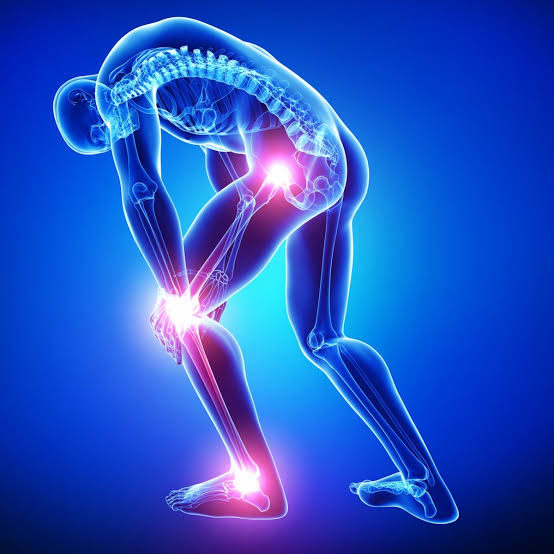
Auto Injury and Car Accident Recovery in Northville, MI: What Chiropractic Care Can Do
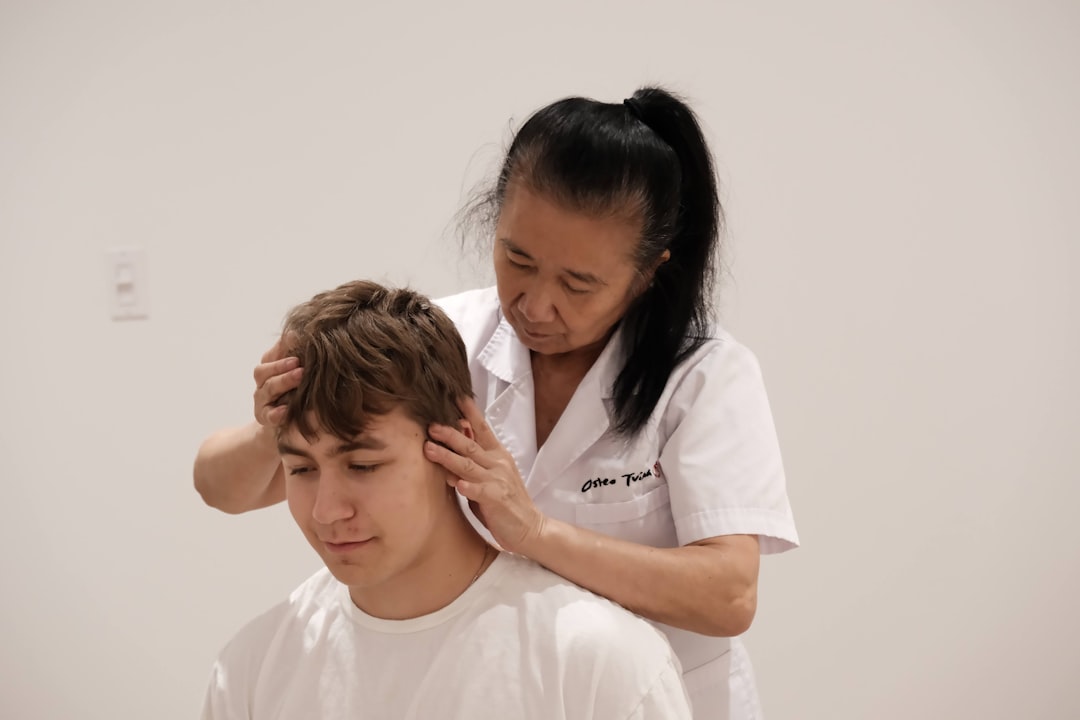
A car accident can feel minor in the moment. The airbags didn't deploy. You walked away. The adrenaline made everything feel manageable. But within 24 to 72 hours, the neck tightens. A headache builds. The shoulder won't rotate without pain. What felt like a close call is now a daily reminder of what your body went through at the point of impact.
This delayed presentation is one of the most clinically significant features of auto injuries — and one of the most dangerous, because it leads many people to delay care. By the time pain becomes impossible to ignore, the inflammatory cascade and soft tissue changes are already in progress. The window for the most effective intervention is narrowing.
At Get Well Chiropractic of Northville, Dr. Stacie Ford works with auto injury patients throughout the Northville, Novi, Plymouth, and Livonia areas. What follows is an honest account of what happens to the body in a collision, why the symptoms often appear late, and what drug-free care can actually accomplish for the full range of injuries that follow even low-speed crashes.
What Your Body Goes Through in a Collision
The force mechanics of a rear-end collision are well documented. In a fraction of a second, the occupant's torso is pushed forward by the seat while the head — which is not yet moving — lags behind. The neck is forcibly extended, then whipped forward as the head catches up. This rapid back-and-forth movement — cervical acceleration-deceleration, or CAD injury — can strain ligaments, compress facet joints, and irritate the nerve roots that exit the cervical spine.
According to the National Highway Traffic Safety Administration, approximately 2.5 million people are injured in motor vehicle crashes in the United States each year, making auto accidents one of the leading causes of new musculoskeletal injury. These injuries range from minor soft tissue strain to disc herniation, vertebral fracture, and chronic nerve impingement — and they do not always correlate with the severity of the impact as measured by vehicle damage.
Research published in a multicenter retrospective case series in early 2026 through the National Institutes of Health confirmed what clinicians treating these patients have observed: approximately 50 percent of individuals who sustain whiplash-associated disorders following a motor vehicle collision go on to develop chronic neck-related disability if the underlying mechanical dysfunction is not addressed. Of those with persistent symptoms, 30 percent experience moderate-to-severe functional limitation that affects daily activities and quality of life.
Dr. Scott Haldeman, DC, MD, PhD — Professor Emeritus at the University of California, Irvine, and one of the most widely published researchers in spinal medicine — has written that early conservative intervention in cervical acceleration-deceleration injuries produces meaningfully better outcomes than delayed care: “The evidence supports early mobilization and spinal manipulation for acute whiplash-associated disorders, with the best functional recovery seen in patients who receive care within the first weeks rather than the first months after injury.” That clinical window is why the timing of an evaluation matters — not just the evaluation itself.
Why Symptoms Appear Days or Weeks After the Accident
The post-collision inflammation timeline is one of the reasons auto injury care requires careful evaluation even when the driver or passenger feels relatively fine at the scene. Soft tissue injuries — strains to the muscles, ligaments, and joint capsules of the cervical and thoracic spine — produce a cascade of responses that unfold over days. Fluid accumulates in affected tissues. Protective muscle spasm sets in. Nerve endings that were irritated or compressed at the moment of impact begin transmitting pain signals more consistently as inflammation peaks.
Simultaneously, the brain and nervous system are making compensatory adjustments. Postural muscles shift to offload weight from painful areas. Gait changes. Sleeping positions change. These adaptations, well-intentioned from the body's perspective, can create secondary problems — hip imbalance, thoracic restriction, shoulder girdle tension — that become as problematic as the original injury if not addressed in the care plan.
Getting evaluated promptly after an accident — even when you feel okay — creates a clinical baseline. It documents the state of the spine and soft tissues before protective compensation patterns have fully set in, and it allows a provider to monitor changes in the first weeks post-collision. This is both clinically important and practically significant if you are working through an auto insurance claim.
How Chiropractic Care Addresses Auto Injuries Drug-Free
The chiropractic approach to auto injury care begins with a thorough assessment: orthopedic testing, neurological screening, postural analysis, and a review of any imaging. The goal is to identify every mechanical contributor to the patient's presentation — not just the most obvious symptom, but the full picture of what impact and compensation have created throughout the musculoskeletal system.
Chiropractic adjustments are typically the foundation of care. By restoring proper alignment to the cervical, thoracic, and lumbar segments affected by the accident, adjustments reduce the mechanical pressure on nerve tissue, improve joint mobility, and allow the surrounding musculature to gradually release its guarding response. This is not a temporary pain management measure — it is structural intervention that addresses the root cause of post-collision dysfunction.
At Get Well Chiropractic, Dr. Ford layers additional evidence-informed therapies for auto injury patients based on their specific clinical presentation:
- Spinal decompression therapy — for patients with disc involvement, compression, or herniation following the accident, decompression creates negative intradiscal pressure that may encourage retraction and improved nutrient flow to affected discs.
- Cold laser therapy — low-level laser energy stimulates cellular repair processes in damaged soft tissue, accelerating the healing response in muscles, ligaments, and joint capsules that were strained in the collision.
- MYACT acoustic wave therapy — for patients with persistent fascial restriction or deep tissue scarring following impact, acoustic wave technology delivers mechanical energy to promote tissue remodeling and break up adhesions.
- PEMF therapy — pulsed electromagnetic field therapy supports cellular function and can reduce the inflammatory burden on recovering tissues, particularly useful in the acute and subacute phases of recovery.
The combination and sequencing of these modalities is always individualized. What one patient needs in week two is very different from what they need in week eight. Dr. Ford re-evaluates each patient's progress at defined intervals and adjusts the care plan accordingly.
Working With Your Auto Insurance After an Accident
Michigan is a no-fault auto insurance state, which means your medical expenses following an accident — including chiropractic care — are typically covered by your own auto insurance policy regardless of fault. The specific coverage limits and requirements vary by policy, and the rules governing Michigan no-fault coverage have changed in recent years. Get Well Chiropractic can assist you in understanding how your coverage applies to your care and works with most major auto insurance carriers.
Documenting your injuries early matters for insurance purposes as well as clinical purposes. The evaluation records, progress notes, and treatment documentation that Dr. Ford's office maintains serve as the clinical record that supports your claim.
You Don't Have to Wait for the Pain to Get Worse
The most common mistake auto injury patients make is waiting. Waiting to see if the pain resolves on its own. Waiting until the discomfort becomes impossible to ignore. Waiting until the neck stiffness has been present for six weeks before seeking an evaluation. Research consistently shows that early intervention after a motor vehicle collision produces better outcomes than delayed care — less time in pain, lower likelihood of chronic disability, and faster functional recovery.
If you or someone in your family has been in a car accident in the Northville, Novi, Plymouth, or Livonia area, even a minor one, Dr. Stacie Ford and the Get Well Chiropractic team are currently welcoming new patients. A comprehensive post-collision evaluation is available by appointment — call our Northville office to schedule, and come in before protective compensation patterns have a chance to become the bigger problem.
The information provided in this article is intended for educational purposes only and does not constitute medical advice, diagnosis, or a treatment plan for any specific condition. Reading this content does not establish a doctor-patient relationship. Individual results vary, and all healthcare decisions should be made in consultation with a licensed healthcare provider who can evaluate your specific health history and needs. If you are experiencing severe or worsening symptoms following an accident, please seek appropriate medical attention promptly.